
Designing my body into Wellbeing - Keely Macarow, Associate Professor, RMIT
Art for the Sake of Care: Editorial Introduction - Merel Visse & Elena Colgni
My MFA supervisor, Keely Macarow, introduced me to the idea of Care Ethics when I was struggling to situate my work within a specific field of practice. I am quite familiar with care as a way of being, but I had little idea that it was also a moral theory of ethics, a way of being, treating, and responding to other humans. To understand this area, I researched definitions, watched a lecture by Keely about one of her projects, and read several articles about the Ethics of Care.
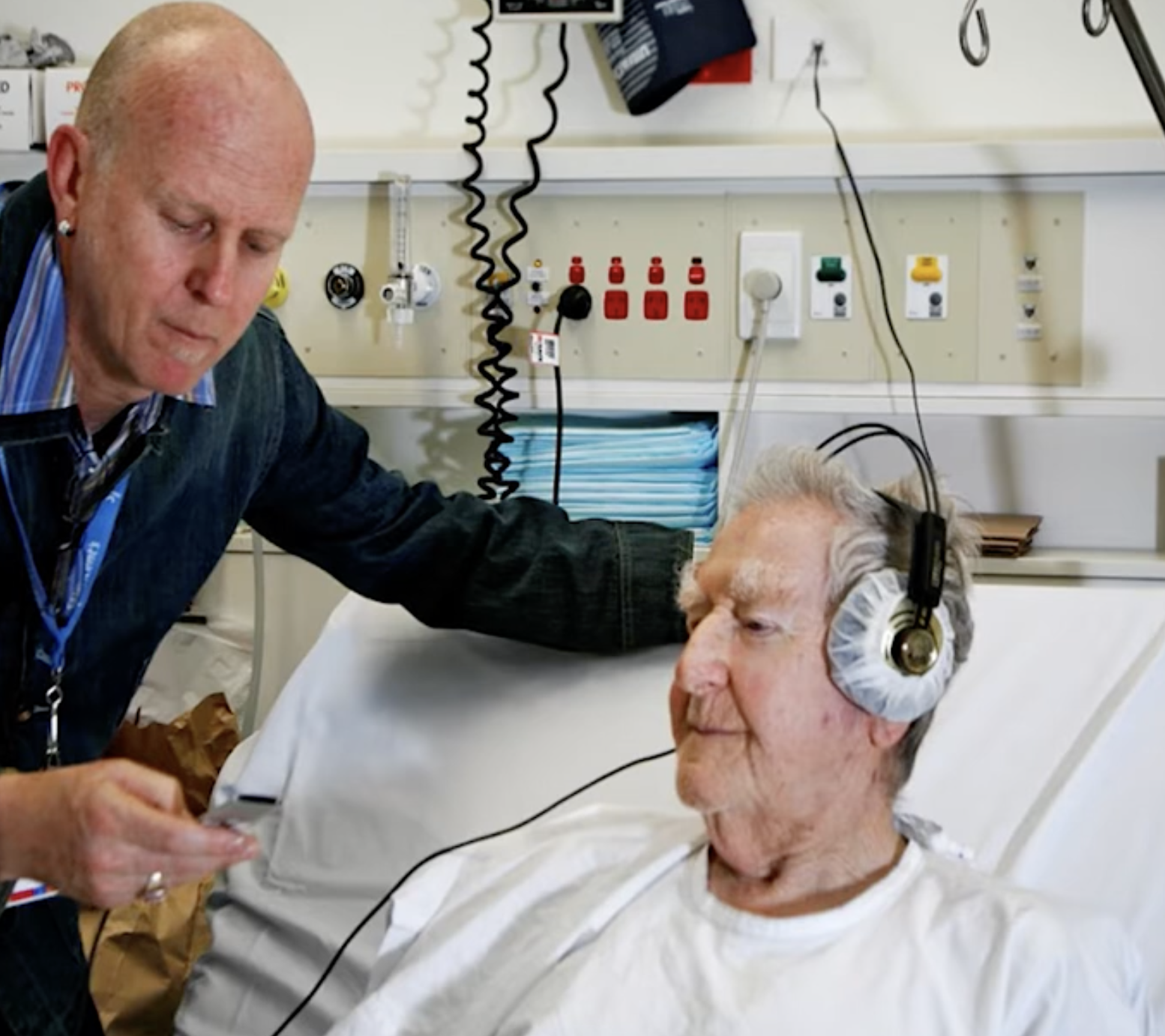
In particular, Keely’s project focused on “interventions and applications of art in the healthcare system” and highlighted how care ethics can be enacted through designing soundscapes that alleviate stress. The work took the form of a clinical trial where patients in the emergency department at St Vincent’s Hospital were given choreographed soundscapes to listen to during their long wait leading up to treatment. The trial demonstrated that there is room for sound art in hospitals, which can positively affect the well-being of patients. The work was a relational, people-oriented project that aimed to create a safe space for people in a vulnerable position. Experiencing this project enabled me to see how artistic practice can function as a form of care, which directly informs my approach to creating work in which viewers might personally read meanings relevant to their situation.

For further understanding of Care Ethics, the Editorial Introduction to a special issue of the International Journal of Education and the Arts provided a grounded discussion of the importance of the arts for shaping culture and community. The Introduction communicated that care theory is a multifaceted practice engaged by the consistency of the practitioners to produce slow and lasting cultural change. Rejection of a scripted manner of treating others and the environment in favour of responding to the individual was a strong premise throughout the article.
Three main points stood out to me:
Care Ethics is about relationships with others and the environment to challenge gendered assumptions and hierarchical power dynamics, and to foster collaboration that promotes positive wellbeing.
Care Ethics requires active listening to encourage others in making or making for them, or responding by making.
Regeneration of care is practised in many ways, not least being Material Practice in which objects, spaces and technologies are recognised as agents of care in artistic practice.
These aspects of care ethics resonate with my practice, as I seek to use reclaimed fabrics to demonstrate care and a relationship with the environment. Although I create from a female gendered perspective, I also seek to challenge gendered assumptions through my use of a variety of colours and the creation of non-figurative forms. In my work, I seek to regenerate care by creating work through which viewers can make connections to personal experiences.
This research clarified that my approach to representing, through material forms, how psychological trauma affects the body is grounded in care ethics because it emphasises relational, empathetic responses to suffering as an ongoing process of care. In my work, this is reflected through fabric choice and the knitting process, which embody the deconstruction and repair the brain undertakes in dealing with trauma. In this way, Care Ethics provides a framework for understanding my work as a form of artistic care.
https://www.youtube.com/watch?v=XOETnQ8smAQ
https://ethics.org.au/ethics-explainer-ethics-of-care/